Author name: Ecorf Lucernas

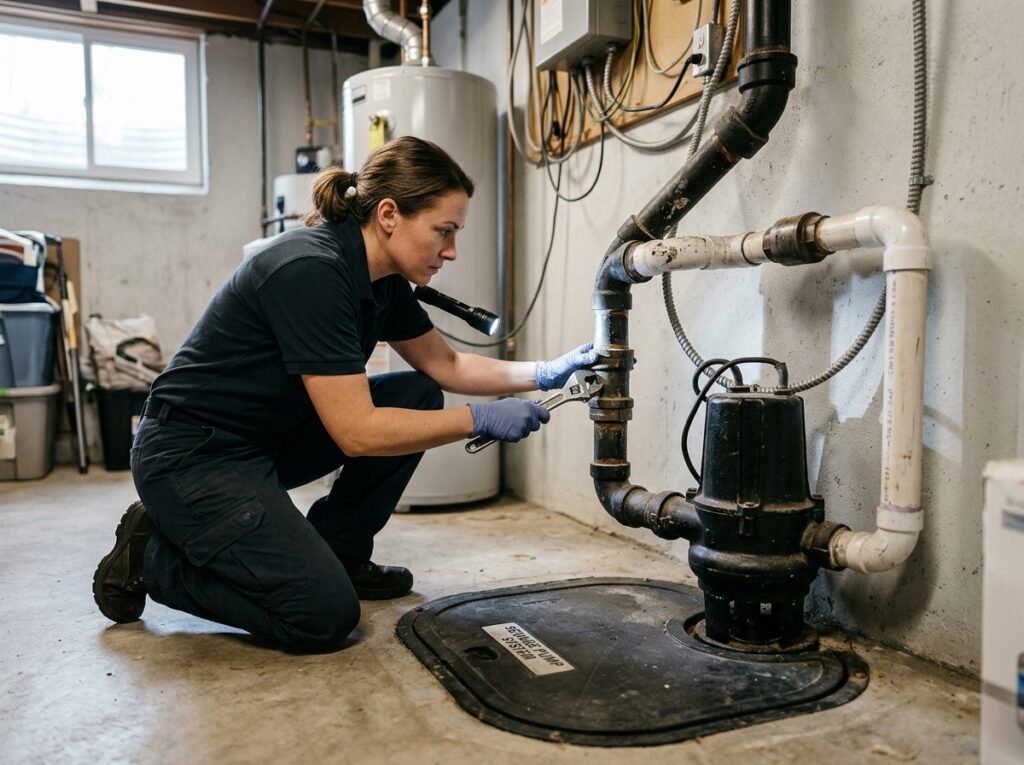
Plumber inspecting a basement sewage pump vent pipe and seal to fix foul sewer odors.

What Is Sewage Pump Odor? Causes, Fixes, and Prevention Explained

Sewage pump odor is a rotten-egg smell caused by hydrogen sulfide gas escaping from a sewage ejector pump, sump pit, or drain line due to dry traps, biofilm buildup, or vent blockages. This sewage pump odor causes guide explains the mechanics behind the smell and how to eliminate it permanently. Why Sewage Pump Odors Matter Plumber fixing a …

What Is Sewage Pump Odor? Causes, Fixes, and Prevention Explained Read More »

Commercial building wastewater pump station sizing diagram showing flow rate calculations and drainage design.

How to Size a Pump Station for a Commercial Building: 7-Step Guide

Outcome: By completing this tutorial, you will calculate the correct pump station size for a commercial building in approximately 2–3 hours using standard engineering formulas. Skill level: Intermediate — best suited for a plumbing engineer, facilities manager, or contractor with basic hydraulics knowledge. Sizing a pump station for a commercial building means matching flow rate, total dynamic head, …

How to Size a Pump Station for a Commercial Building: 7-Step Guide Read More »

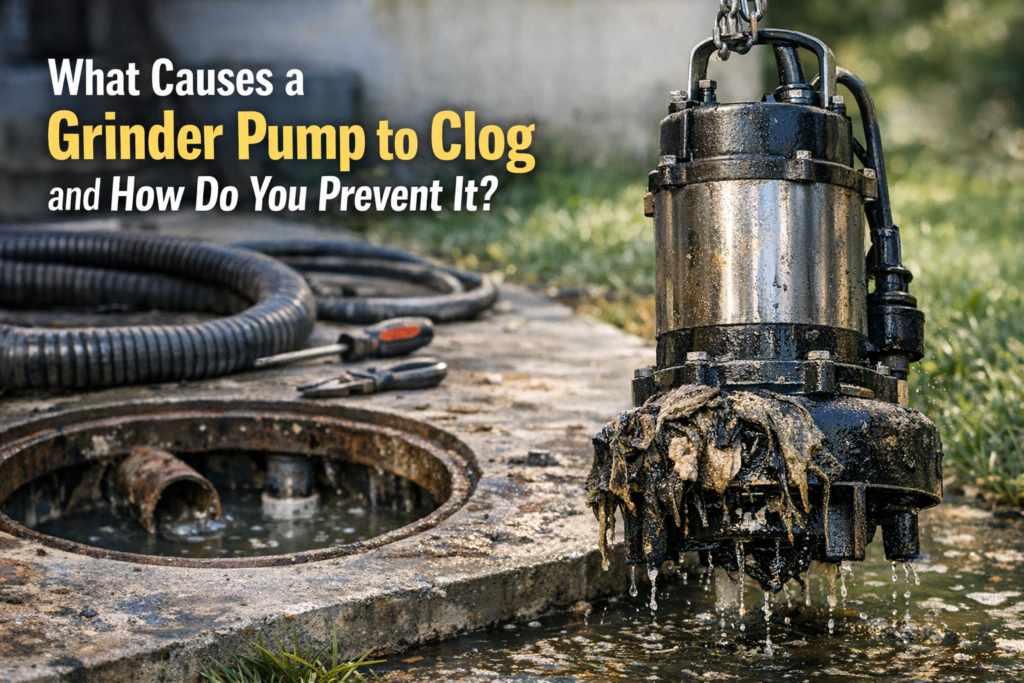
Professional illustration of Why Grinder Pump Clog Prevention Matters

What Causes a Grinder Pump to Clog and How Do You Prevent It?

A grinder pump is a specialized wastewater disposal system that grinds solid waste into fine particles before pumping it through small-diameter pipes to the municipal sewer or septic system. Grinder pump clogs occur primarily when non-flushable items—including wet wipes, feminine hygiene products, grease, and dental floss—bypass the grinding mechanism or damage the impeller and cutting …

What Causes a Grinder Pump to Clog and How Do You Prevent It? Read More »

Scroll to Top