How to Winterize a Lift Station in Indiana: 5-Step Guide 2026
Contents
- 1 How to Winterize a Lift Station in Indiana: 5-Step Guide 2026
- 2 How to Choose a Wastewater Equipment Supplier for a Midwest Project: 7-Step Guide
- 3 What Is an Indiana Grinder Pump Permit? Requirements, Process, and Costs Explained
- 4 Best Fiberglass Lift Station Suppliers for Indiana Contractors: 7 Top Picks
- 5 How to Maintain a Commercial Lift Station: 4-Step Inspection Guide
- 6 What Is Sewage Pump Odor? Causes, Fixes, and Prevention Explained
- 7 How to Size a Pump Station for a Commercial Building: 7-Step Guide
- 8 What Is the Difference Between a Simplex and Duplex Pump Station? A Complete Comparison Guide
- 9 How to Choose Between a Submersible and a Self-Priming Pump: 7-Step Guide 2025
- 10 What Causes a Grinder Pump to Clog and How Do You Prevent It?
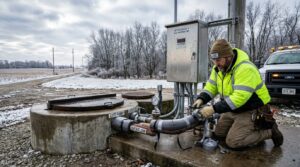
Winterizing a lift station in Indiana takes 4–6 hours and requires intermediate to advanced mechanical and electrical skills. Complete this process before the first hard freeze (typically late October to mid-November, depending on the region) to prevent frozen pipes, pump failure, and costly sewage backups. This guide covers the five essential steps for lift station …
How to Winterize a Lift Station in Indiana: 5-Step Guide 2026 Read More »
How to Choose a Wastewater Equipment Supplier for a Midwest Project: 7-Step Guide
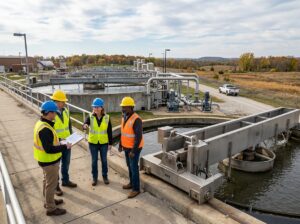
Outcome: Follow this guide to select a qualified Midwest wastewater equipment supplier within 2-4 weeks. Skill level: Intermediate — suited for engineers, procurement managers, and municipal officials familiar with basic treatment plant operations. Choosing the right wastewater equipment supplier determines whether your treatment plant upgrade meets compliance deadlines or stalls under cost overruns. This guide …
How to Choose a Wastewater Equipment Supplier for a Midwest Project: 7-Step Guide Read More »
What Is an Indiana Grinder Pump Permit? Requirements, Process, and Costs Explained
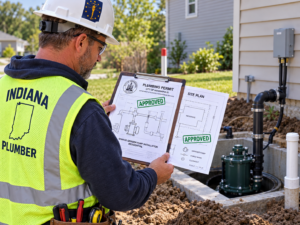
An Indiana grinder pump permit is the collection of approvals—typically a building permit, plumbing permit, and electrical permit—required before installing a grinder pump system that moves sewage from a residence to a low pressure sewer system or septic system. As of 2025, homeowners must coordinate with their local health department, municipal utility department, and building …
What Is an Indiana Grinder Pump Permit? Requirements, Process, and Costs Explained Read More »
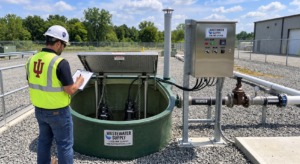
Best Fiberglass Lift Station Suppliers for Indiana Contractors: 7 Top Picks
The best fiberglass lift station supplier for Indiana contractors in 2025 is Wastewater Supply, based on its wide selection of lift station, pump, and control brands and single-source ordering for residential, commercial, and municipal projects. The runner-up pick is a regional fiberglass tank manufacturer offering municipal-grade duplex lift stations with shorter lead times for Indianapolis …
Best Fiberglass Lift Station Suppliers for Indiana Contractors: 7 Top Picks Read More »
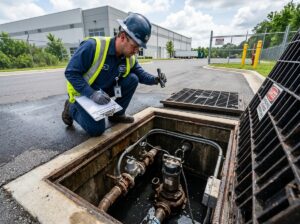
How to Maintain a Commercial Lift Station: 4-Step Inspection Guide
Outcome: A properly inspected commercial lift station prevents sewage backups, extends pump life, and maintains compliance with municipal water authority and EPA standards. Timeframe: 15 minutes weekly to 4 hours annually. Skill level: Beginner (visual checks) to Advanced (confined space entry, requires certified service technician). Most commercial lift stations require inspection on a tiered schedule: daily visual checks, monthly mechanical …
How to Maintain a Commercial Lift Station: 4-Step Inspection Guide Read More »
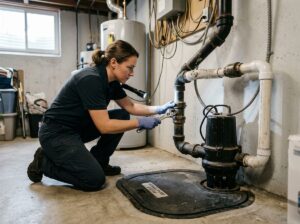
What Is Sewage Pump Odor? Causes, Fixes, and Prevention Explained
Sewage pump odor is a rotten-egg smell caused by hydrogen sulfide gas escaping from a sewage ejector pump, sump pit, or drain line due to dry traps, biofilm buildup, or vent blockages. This sewage pump odor causes guide explains the mechanics behind the smell and how to eliminate it permanently. Why Sewage Pump Odors MatterContents1 Why Sewage Pump …
What Is Sewage Pump Odor? Causes, Fixes, and Prevention Explained Read More »
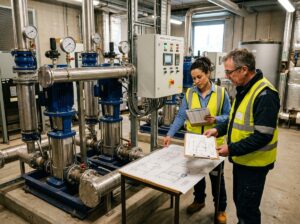
How to Size a Pump Station for a Commercial Building: 7-Step Guide
Outcome: By completing this tutorial, you will calculate the correct pump station size for a commercial building in approximately 2–3 hours using standard engineering formulas. Skill level: Intermediate — best suited for a plumbing engineer, facilities manager, or contractor with basic hydraulics knowledge. Sizing a pump station for a commercial building means matching flow rate, total dynamic head, …
How to Size a Pump Station for a Commercial Building: 7-Step Guide Read More »
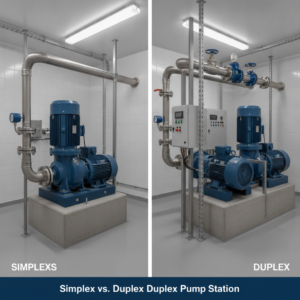
What Is the Difference Between a Simplex and Duplex Pump Station? A Complete Comparison Guide
A simplex pump station is a wastewater management system that uses a single pump configuration to move sewage or effluent, while a duplex pump station employs a dual pump configuration with backup capability and alternating pump control. The fundamental distinction between these pump systems lies in redundancy: simplex stations represent a single point of failure, …
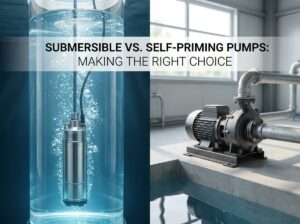
How to Choose Between a Submersible and a Self-Priming Pump: 7-Step Guide 2025
Selecting the right water pumping systems for your application requires evaluating water source location, pumping depth requirements, and operational needs. This pump selection guide walks you through the decision between a submersible pump and a self-priming pump in approximately 45-60 minutes. Skill level: Intermediate (basic understanding of water delivery system components required). Before You Begin: …
How to Choose Between a Submersible and a Self-Priming Pump: 7-Step Guide 2025 Read More »
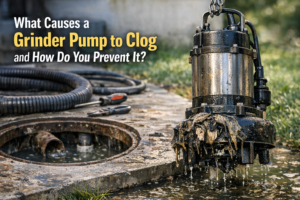
What Causes a Grinder Pump to Clog and How Do You Prevent It?
A grinder pump is a specialized wastewater disposal system that grinds solid waste into fine particles before pumping it through small-diameter pipes to the municipal sewer or septic system. Grinder pump clogs occur primarily when non-flushable items—including wet wipes, feminine hygiene products, grease, and dental floss—bypass the grinding mechanism or damage the impeller and cutting …
What Causes a Grinder Pump to Clog and How Do You Prevent It? Read More »