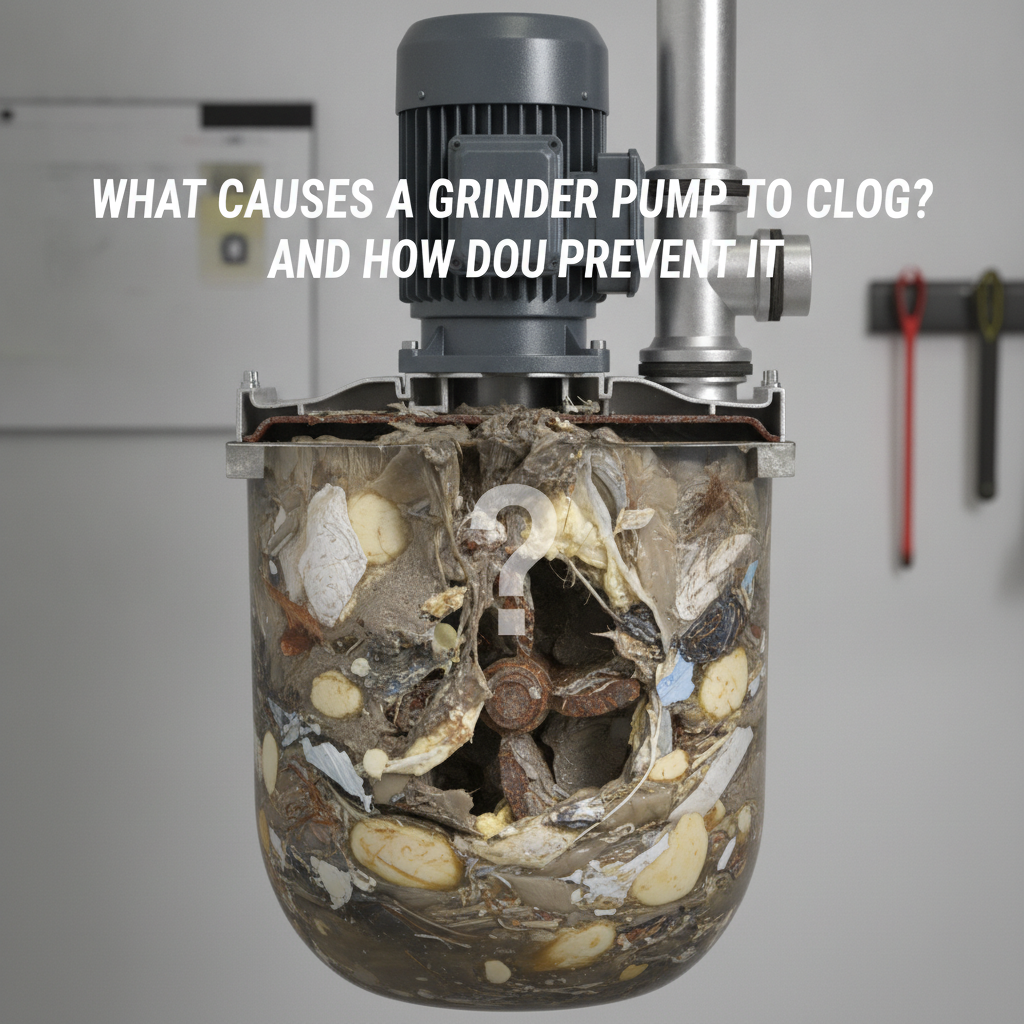
A grinder pump is a specialized wastewater disposal system that grinds solid waste into fine particles before pumping it through small-diameter pipes to the municipal sewer or septic system. Grinder pump clogs occur primarily when non-flushable items—including wet wipes, feminine hygiene products, grease, and dental floss—bypass the grinding mechanism or damage the impeller and cutting blades. According to the Environmental Protection Agency (EPA, 2024), improper waste disposal causes approximately 75% of residential grinder pump failures.
Why Grinder Pump Clog Prevention Matters
Contents
- 1 Why Grinder Pump Clog Prevention Matters
- 2 Key Characteristics of Grinder Pump Clogs
- 3 How Grinder Pumps Work: Understanding the Grinding Mechanism
- 4 What Causes a Grinder Pump to Clog: Primary Culprits
- 5 Common Misconceptions: Myth vs. Reality
- 6 Grinder Pump vs. Sewage Ejector Pump: Clog Vulnerabilities
- 7 How to Prevent Grinder Pump Clogs: Best Practices
- 8 Professional Service vs. DIY Grinder Pump Maintenance
- 9 Signs of Impending Grinder Pump Failure
- 10 Conclusion
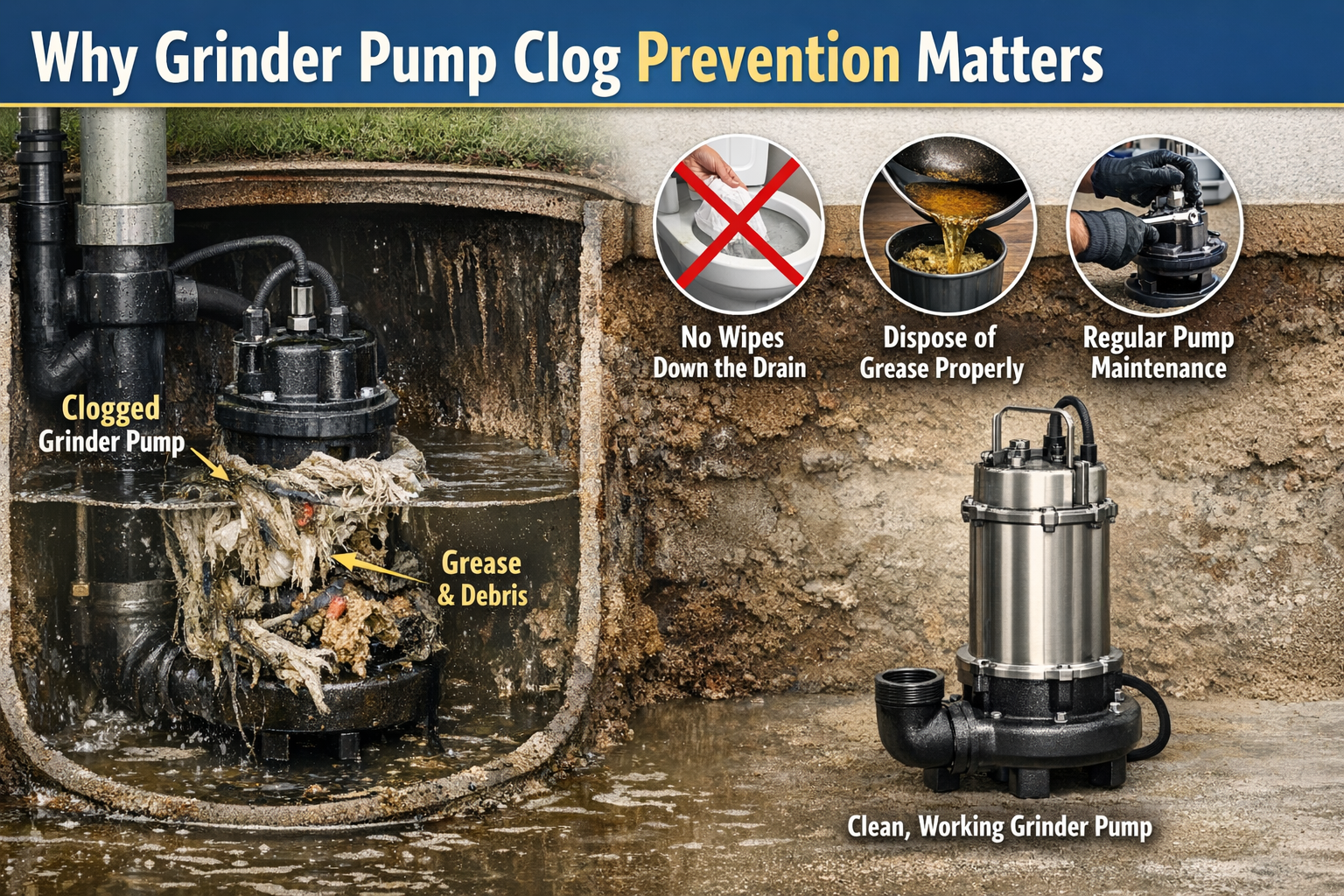
Professional illustration of Why Grinder Pump Clog Prevention Matters
Grinder pumps serve critical roles in residential property and commercial building plumbing infrastructure where gravity sewer systems cannot function. These systems are essential for basement bathrooms and low-lying areas that require wastewater to be pumped upward to reach the main sewer line. A clogged grinder pump can cause sewage backup, sewage overflow, property damage, and costly emergency grinder pump repair expenses ranging from $500 to $2,500 (HomeAdvisor, 2025). Property managers and homeowners must understand what causes grinder pump to clog and implement effective grinder pump clog prevention strategies to avoid pump failure and maintain proper sewage disposal.
Key Characteristics of Grinder Pump Clogs
Understanding the signs of pump blockage enables early intervention before complete pump malfunction occurs:
- Grinding Noise: Impeller jam from fibrous materials creates unusual mechanical sounds distinct from normal operation
- Pump Running Continuously: Float switch stuck in the “on” position or pump obstruction prevents proper pump cycling
- Grinder Pump Alarm Going Off Frequently: High water level in the pump chamber triggers the alarm system and indicates reduced flow rate
- Slow Draining: Partial discharge obstruction causes toilets and drains to empty slower than normal
- Sewage Smell: Drainage problems and backflow preventer issues allow odors to escape from the pump station
How Grinder Pumps Work: Understanding the Grinding Mechanism
Proper wastewater pump operation depends on several interconnected pump components working in sequence:
- Waste Collection: Wastewater enters the pump chamber from toilet flushing and drain system usage
- Level Detection: The float switch or pressure sensor monitors liquid levels in the pump tank
- Grinding Process: When activated, the motor powers cutting blades and impeller to grind solid waste into particles smaller than 1/4 inch
- Discharge: The macerator pump forces ground effluent through the discharge line and check valve to the pumping station or septic system
- Cycle Completion: The control panel deactivates the pump when proper levels are reached
Leading manufacturers including Environment One, Zoeller, Liberty Pumps, and Myers design systems with pump capacity specifications matched to household waste removal needs. However, improper installation or undersized pump selection compromises pump performance and increases clog risk.
What Causes a Grinder Pump to Clog: Primary Culprits
Non-Flushable Items
The following items cause immediate pump obstruction or gradual impeller damage:
| Item Category | Why It Causes Clogs | Damage Type |
|---|---|---|
| Wet wipes, paper towels, feminine hygiene products | Do not disintegrate; wrap around impeller | Mechanical failure, motor burnout |
| Cooking oil, grease, cat litter | Solidify in pipes; coat grinding mechanism | Suction problems, reduced pump efficiency |
| Dental floss, hair, cotton swabs | Tangle in cutting blades; create fibrous masses | Impeller jam, pump motor damage |
| Diapers, condoms, latex gloves | Too large for grinding; block discharge pipe | Complete pump failure, sewage backup |
| Coffee grounds, medication, drain cleaners | Accumulate as sediment; corrode components | Worn bearings, damaged seals |
Mechanical and Electrical Issues
Beyond user error, system defects contribute to what causes grinder pump to fail:
- Pump Age: Systems older than 10-15 years experience capacitor failure, relay malfunction, and worn bearings
- Power Supply Issues: Low voltage, phase loss, tripped breaker, or blown fuse prevent proper pump operation
- Control Box Failure: Wiring issues, loose connections, or electrical short damage the control panel
- Environmental Factors: Discharge pipe frozen conditions, vent blockage, and air lock problems affect pump performance
Common Misconceptions: Myth vs. Reality
Myth: All toilet paper is safe for grinder pumps and won’t cause grinder pump clogged with wipes situations.
Reality: Only standard bathroom tissue dissolves adequately. Thick, quilted, or “flushable” wipes cause grinder pump clogged with wipes emergencies despite marketing claims.
Myth: Grinder pumps can handle anything that fits down the drain system.
Reality: These pumps grind soft solids only. Hard objects, fibrous materials, and chemical drain cleaners damage pump components and void manufacturer warranty coverage.
Myth: Regular toilet use provides sufficient pump cleaning without maintenance.
Reality: Professional grinder pump service every 3-5 years by a licensed plumber or septic technician prevents 80% of avoidable pump problems (National Association of Wastewater Technicians, 2024).
Grinder Pump vs. Sewage Ejector Pump: Clog Vulnerabilities
Understanding the difference between these wastewater disposal systems clarifies why grinder pump vs ejector pump clogs occur differently:
Grinder Pump (Effluent Pump): Contains cutting blades that pulverize solids. More susceptible to blade damage from hard objects but better handles soft solids when used correctly.
Sewage Ejector Pump: Moves waste without grinding. Clogs from any solid larger than 2 inches but less vulnerable to impeller damage from fibrous materials.
Both require what not to flush with grinder pump awareness, but grinder systems demand stricter adherence to flushing guidelines due to their precision grinding mechanism.
How to Prevent Grinder Pump Clogs: Best Practices
Preventive Maintenance Checklist
Implementing these grinder pump maintenance tips extends pump longevity and prevents costly repairs:
- Quarterly Visual Inspections: Check alarm system function, listen for grinding noise, monitor pump cycling frequently patterns
- Annual Professional Service: Have a maintenance professional or pump installer inspect pump motor, check valve, float switch, and discharge line
- Immediate Response: Address grinder pump alarm going off situations within 24 hours to prevent pump overheating and motor burnout
- Winter Preparation: Insulate exposed pipes for winter grinder pump maintenance and prevent discharge pipe frozen emergencies
- Documentation: Maintain service contract records and manufacturer warranty information for efficient pump troubleshooting
What Can I Flush with a Grinder Pump
Safe items for grinder pump systems include:
- Human waste and standard toilet paper only
- Gray water from sinks and showers
- Minimal food particles from properly functioning garbage disposals (check manufacturer specifications)
Best toilet paper for grinder pumps includes rapidly dissolving brands tested for septic system compatibility.
Professional Service vs. DIY Grinder Pump Maintenance
While homeowners can perform basic monitoring, professional grinder pump service provides comprehensive care:
DIY Tasks: Monthly alarm testing, quarterly observation for pump vibration or unusual sounds, immediate reporting of slow draining conditions.
Professional Requirements: How to clean grinder pump impeller procedures, electrical system diagnostics (sensor failure, switch problems, grounding problems), how to unclog a grinder pump without damaging components, and grinder pump impeller replacement when needed.
A service contract with a qualified septic technician or pump installer typically costs $150-$400 annually and includes emergency grinder pump repair priority service (Angi, 2025).
Signs of Impending Grinder Pump Failure
Recognize these grinder pump troubleshooting guide indicators:
- Pump won’t turn on despite electrical power
- Pump not grinding solids effectively
- Pump losing prime after each cycle
- Backup battery dead during power outages
- Cracked housing or visible leak around pump chamber
- Cost to repair clogged grinder pump exceeding 50% of replacement value
How long do grinder pumps last depends on usage patterns and maintenance quality, but typical pump lifespan ranges from 10-25 years with proper care.
Conclusion
Grinder pump clogs result from preventable behaviors—flushing inappropriate items—and from natural component wear requiring regular maintenance. Municipal water authority guidelines and plumbing code requirements emphasize homeowner education on what not to flush with grinder pump systems. By following this preventive maintenance checklist, using grinder pump safe products exclusively, and scheduling professional inspections, property owners avoid sewage backup emergencies and extend pump longevity while protecting their wastewater management investment.